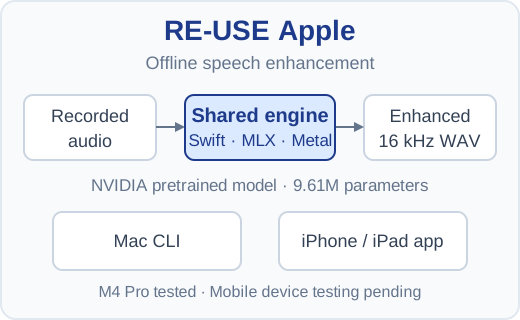
RE-USE Apple
An independent Apple port of NVIDIA NemotronLabs RE-USE, with a shared Swift/MLX/Metal engine for a Mac CLI and an iPhone/iPad app target.
ML research
I'm Quang Nguyen. My research explores how symbolic structure and learned representations can work together in machine learning.
I'm also a contributor and maintainer of LemmaScript, a verification toolchain for TypeScript.
I build research software connecting typed programs to transformers, generative models to speech restoration, and formal proofs to the mathematical foundations of learning. My current work includes the Cajal compiler, TEMF with WavJEPA and FiLM conditioning, language-model steering with learned twisting functions and sequential Monte Carlo, and an ELBO formalization in Lean 4.
— RE-USE speech enhancement on Apple silicon
Released an independent Swift/MLX/Metal port of NVIDIA NemotronLabs RE-USE, with verified M4 Pro GPU inference, a Mac CLI, and an iPhone/iPad app target. Physical iPhone/iPad testing is pending.
— Lean-verified learning for protected representations
Added proofs that gradient descent learns protected linear encoders and that a specified IID SGD update halves expected population task risk at each step, alongside a counterexample where joint encoder–decoder training gets stuck. These results cover finite linear models with a frozen, already-perfect predictive branch; full nonlinear H-JEPA convergence remains open.
An independent Apple port of NVIDIA NemotronLabs RE-USE, with a shared Swift/MLX/Metal engine for a Mac CLI and an iPhone/iPad app target.
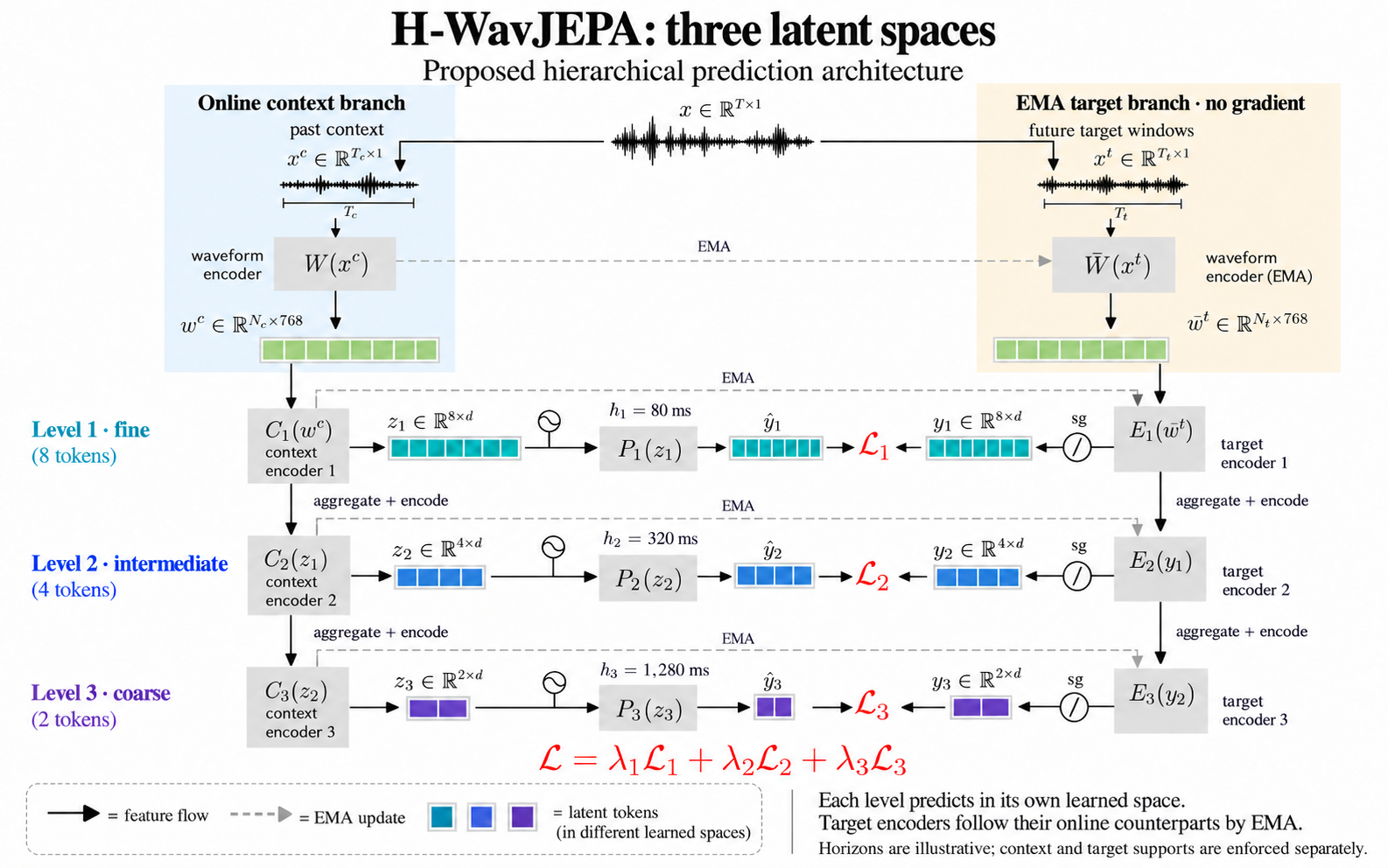
Hierarchical audio representation research with three learned latent spaces, EMA targets, and a PyTorch Lightning + Hydra training workflow.
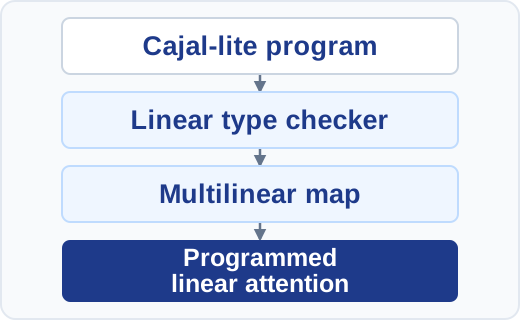
Compiles typed Cajal-lite programs into programmed linear-attention heads and combines them with learned transformer components.
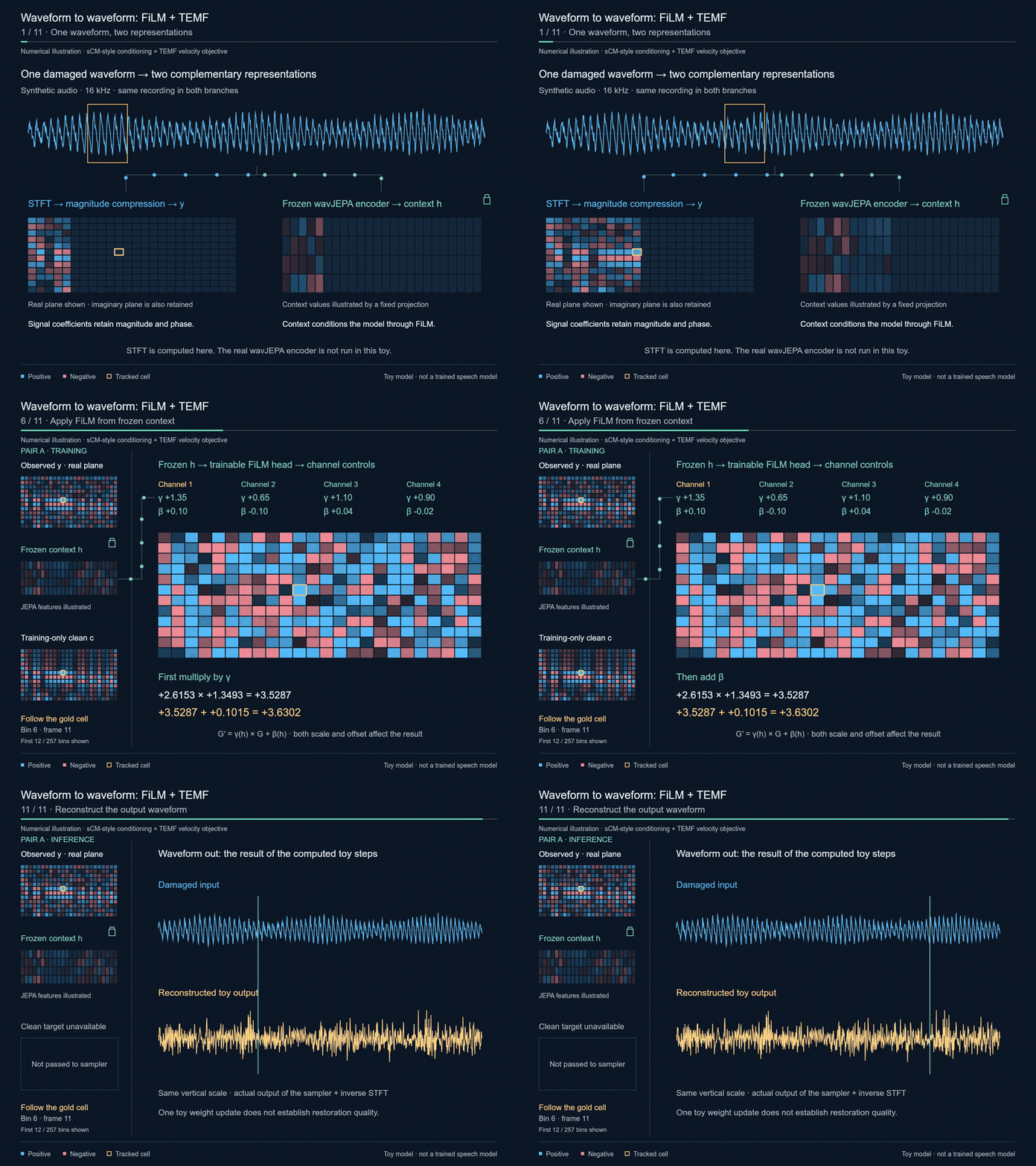
Speech-restoration research combining frozen WavJEPA-Nat features, FiLM conditioning, and TEMF mean-flow generation.
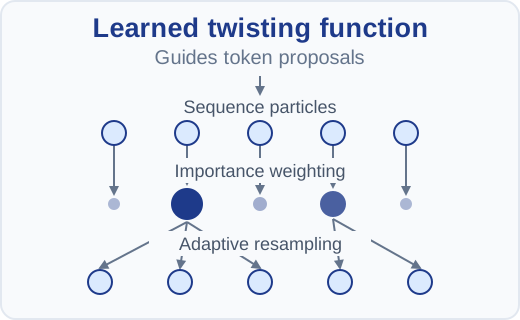
Inference-time language-model steering with learned twisting functions, importance weighting, and adaptive sequential Monte Carlo resampling.
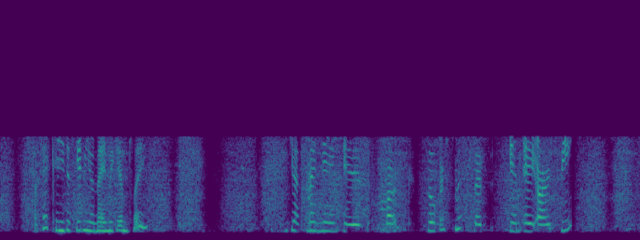 20 inference steps

An experimental MeanFlow speech-restoration implementation, with PyTorch models, training pipelines, and evaluation tools.
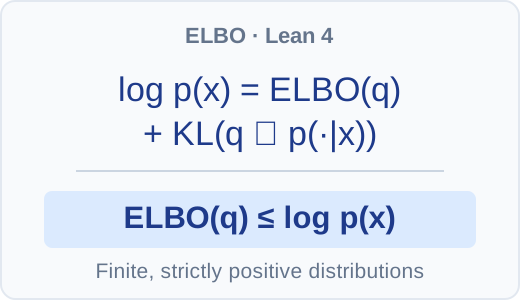
A Lean 4 formalization of the evidence lower bound for finite, strictly positive distributions, including the ELBO decomposition.
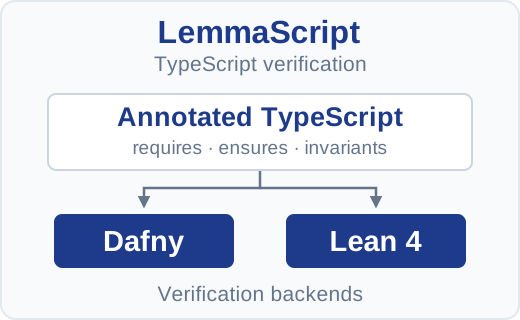
Contributor and maintainer of a verification toolchain for TypeScript, with Dafny and Lean 4 backends.